
Fill out this form today to make sure you receive your ballot paper by the deadline. The ballot closes on 8 June but ballots need to be posted by 1 June to make sure they can be counted.
The ballot of resident doctors in Northern Ireland is now open
The Doctors’ and Dentists’ Pay Review Body (DDRB) has recommended an award uplift of 3.5% for 2026/27.
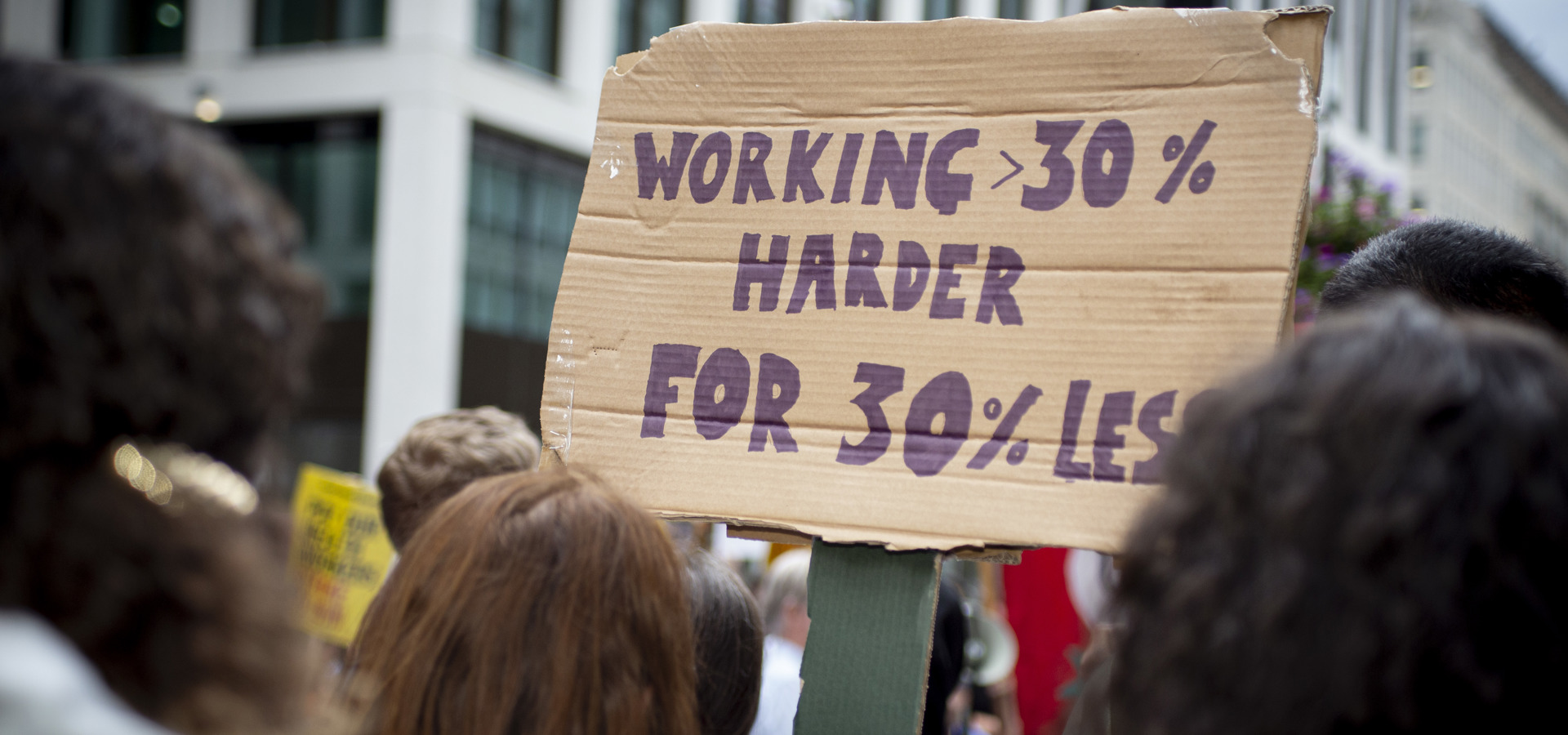
This is not acceptable; it does not address years of pay erosion or recognise the huge contribution resident doctors are making to keeping the health service in Northern Ireland functioning.
Persistent pay erosion is contributing to early retirement, quiet quitting, reduced discretionary effort, and colleagues leaving the profession. Pay is a key factor in making Northern Ireland an attractive place to train, work and remain in practice.
Following the announcement from the DDRB this year, we met with the health minister to discuss the pay award. We made clear we thought the level of the award does not come close to our expectations of being substantial enough to make credible progress towards achieving full pay restoration to 2008 levels and to prevent pay erosion recurring in the future.
The minister was unable to commit to either improving the award or even assure it would be paid promptly. Therefore, we have decided to move to a statutory ballot of resident doctor members in Northern Ireland on taking industrial action over pay.
Voting YES, and encouraging others to vote, will show the Department of Health and government that resident doctors in Northern Ireland are ready to take a stand to ensure they are properly valued. Members should update their details now, to make sure they receive their ballot papers and BMA updates about the campaign.
Our consultant and SAS doctor colleagues will also be balloting for industrial action alongside us, such is the strength of feeling among doctors on this issue.
What brought us to this point?
When Northern Ireland resident doctors came together in 2023 and voted overwhelmingly in favour of taking industrial action over pay, our collective strength achieved so much: 13.6% average increase in pay scales from the previous year, on top of annual pay uplifts, agreement to address other non pay asks to enhance training and education and a commitment to move to contract reform discussions.
This should have benefitted our pay for years to come and set us on the journey to full pay restoration. Instead, successive, late, sub-inflationary pay awards have undermined morale and served to drive resident doctors away from the health service and from Northern Ireland, with patient care suffering as a result. Our pay for 2026/27 is still 19.9% lower in real terms than it was 18 years ago (when compared with current RPI inflation), yet we are working harder than ever before.
 The above graphs show the range of pay erosion from the lowest percentage in the years with variable pay uplifts to the highest percentage.
Unless we stand together and show our strength, pay erosion will continue. We need to demonstrate clearly again to the government that resident doctors are all willing to take action to restore our value, our pay and ultimately protect patient care.
Pay erosion impacts pay and our living standards and shows that the responsibility, training, and sacrifices required to work as a resident are not valued. It’s adding to a workforce crisis as fewer and fewer resident doctors choose to stay in Northern Ireland to train and work.
What you can do
We will be balloting resident doctor members in Northern Ireland from 11 May to 8 June. Resident doctors should get ballot ready and support the campaign by:
- updating your details to ensure you are receiving our communications
- joining the BMA and encouraging your colleagues to do so.
If you have received a ballot but you do not believe you are eligible to vote, please let us know through the ballot opt out form.
Follow us on social media
Keep up to date with our campaign and follow us on NIRDC X (Twitter), Instagram, and BlueSky.